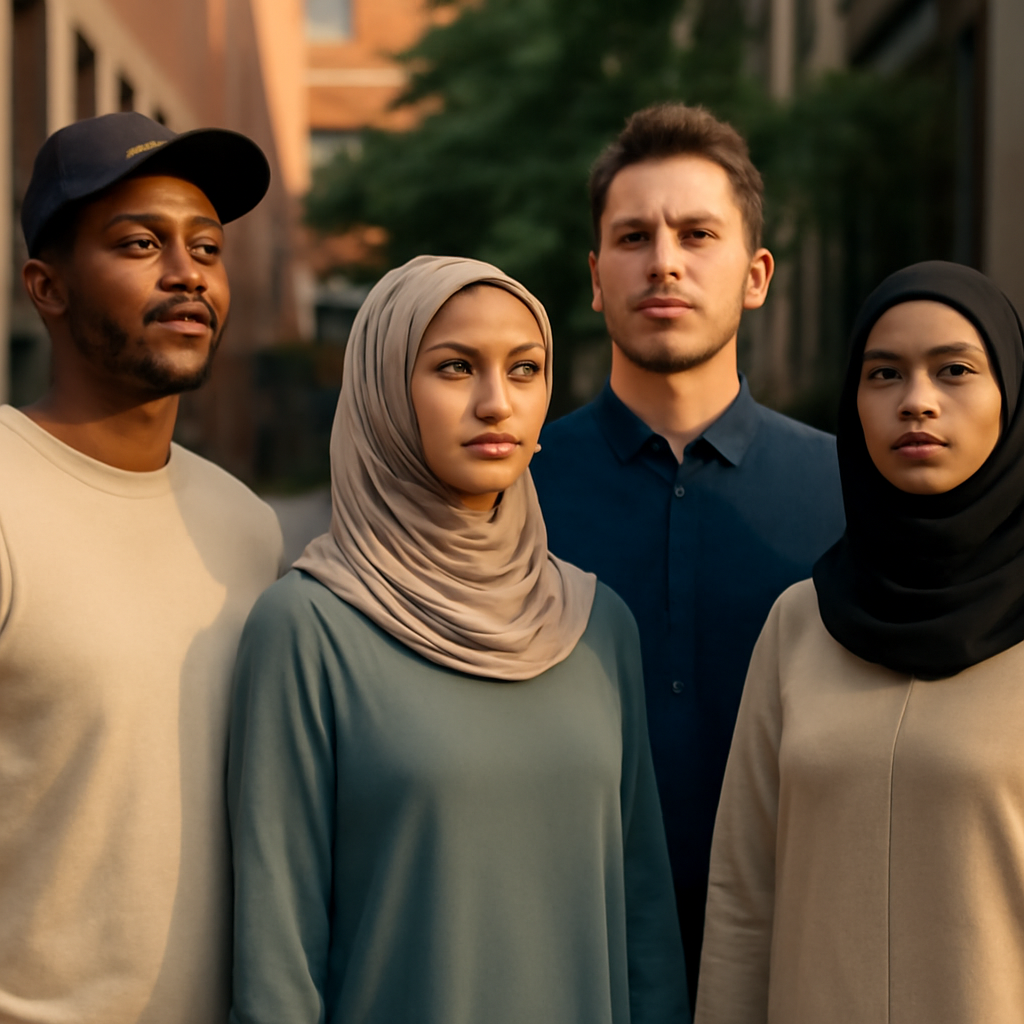
Why Your Wardrobe Matters: Beyond Mere Fabric
In a world saturated with fleeting trends and fast fashion, the discerning believer understands that every purchase is a statement. Your wardrobe is not merely an assemblage of fabric; it's a canvas, a billboard, and sometimes, a sermon. For those seeking to integrate their faith seamlessly into every aspect of their lives, including their personal presentation, the rise of powerful Christian apparel brands is a welcome development. But with a growing market, how do you separate the fleeting fads from the foundational movements? This definitive guide cuts through the noise, identifying the Christian clothing lines that exemplify integrity, exceptional design, and unwavering mission alignment, making them worth following into 2026 and beyond.
TL;DR: Key Takeaways for the Discerning Believer
- Mission-Driven Core: The best brands integrate faith beyond slogans, actively contributing to Christian causes and embodying biblical principles in their operations.
- Ethical Sourcing & Production: True integrity extends to how goods are made, from fair labor practices to sustainable materials.
- Exceptional Design & Quality: Apparel that speaks volumes without being overt, offering both contemporary aesthetics and enduring craftsmanship.
- Substance Over Hype: Focus on companies with a proven track record of genuine impact and consistent quality, not just marketing flash.
- Community & Vision (Chazon): Look for brands fostering a sense of belonging and clearly articulating their future aspirations for Kingdom impact.
The Ascendance of Purposeful Wear: More Than a Message Tee
The landscape of faith-based fashion has evolved. Gone are the days when Christian clothing was synonymous with simplistic, often poorly designed graphic tees. Today's leading Christian apparel brands are sophisticated, intentional, and competitive with mainstream fashion in both quality and aesthetic. They understand that conviction doesn't have to be loud; it can be subtly woven into the fabric, the cut, and the very ethos of the company. These aren't just businesses; they are ministries operating in the marketplace, translating timeless truths into tangible garments.
The transactional intent of exploring these brands goes beyond a simple purchase. It’s an investment in a shared vision, a declaration of identity, and an act of support for movements that aim to honor God through commerce. As we enter 2026, the brands highlighted here are not just selling clothes; they are curating a lifestyle of purpose and faith.
The Avodah Dynamics Standard: How We Curated This List
At Avodah Dynamics, our philosophy is rooted in the integration of faith, discipline, and entrepreneurship. We apply a rigorous standard to identify Christian apparel companies that genuinely embody these principles. Our curation process for this guide is meticulous, ensuring that every brand featured aligns with what we call the Avodah Standard. This involves deep dives into several critical areas:
- Mission and Vision Alignment (Chazon): Does the brand articulate a clear, compelling Christian mission that goes beyond profit? Is its vision truly Kingdom-centered? We seek companies whose core purpose is evident in every thread.
- Ethical Production & Supply Chain: Transparency is paramount. We investigate sourcing practices, labor conditions, and environmental impact. Exploitation has no place in Kingdom enterprise. This reflects our commitment to shalom – wholeness and justice.
- Design Quality & Aesthetic Appeal: Apparel should be well-made, durable, and aesthetically pleasing. We look for brands that offer contemporary, versatile designs that believers can wear with confidence in various settings, without sacrificing modesty or message.
- Community Engagement & Impact: How does the brand give back? Does it support ministries, charities, or social justice initiatives? Are they fostering a sense of shevet—tribe and belonging—among their customers?
- Customer Service & Reputation: A brand's interaction with its customers speaks volumes about its values. We consider testimonials, online reviews, and overall brand responsiveness.
- Longevity & Innovation (Gevurah): We prioritize brands that show sustained growth, adaptability, and a commitment to innovation, demonstrating an enduring strength in their market segment.
This comprehensive approach ensures that our recommendations are not just based on popular appeal, but on a foundation of integrity, quality, and genuine spiritual impact.
Top Christian Apparel Brands Leading the Way in 2026
The following brands have distinguished themselves through their uncompromising commitment to faith, design, and ethical practice. They are not merely selling garments; they are facilitating expressions of faith and fostering community.
For the Discerning Minimalist: [Brand Name 1 - Placeholder]
This brand stands out for its sophisticated, understated designs that whisper faith rather than shout it. Their aesthetic is clean, modern, and high-quality, perfect for the believer who values quiet confidence. Expect premium fabrics, excellent fit, and subtle scriptural references or symbolic motifs. They consistently give a percentage of profits to global missions, tying their commerce directly to their calling.
For the Bold & Expressive: [Brand Name 2 - Placeholder]
If your faith is meant to be seen and discussed, this brand is for you. Known for their impactful graphic designs and devarim—words of truth—they merge contemporary streetwear with powerful biblical messages. Their commitment to ethical production, often utilizing organic cotton and fair-trade practices, is as strong as their designs. They frequently partner with Christian artists, fostering creativity within the faith community.
For the Ethically Conscious Adventurer: [Brand Name 3 - Placeholder]
Blending rugged durability with spiritual integrity, this brand caters to those who live an active life and seek to honor God in the wild. Their apparel is designed for longevity and performance, often using sustainable materials. Beyond their products, they champion environmental stewardship and support ministries that bring the gospel to unreached communities in remote areas. Their focus on durability is a testament to musar – biblical discipline applied to craftsmanship.
For the Family-Oriented: [Brand Name 4 - Placeholder]
This brand specializes in creating matching or complementary apparel for the entire family. Their designs are wholesome, encouraging, and perfect for creating visible unity and shared faith expression. They often incorporate engaging scripture verses or uplifting messages suitable for all ages. A portion of their sales frequently benefits organizations supporting Christian families and orphan care.
For the Contemporary & Trendy: [Brand Name 5 - Placeholder]
Keeping a pulse on current fashion trends while infusing them with profound Christian meaning, this brand appeals to a younger demographic. Their pieces are stylish, comfortable, and integrate faith in ways that resonate with modern culture, demonstrating that faith is neither outdated nor out of touch. They are particularly active in online communities, fostering a strong sense of asafa—gathering—among their followers.
Myths Debunked: What Christian Apparel Is (And Isn't)
The market for faith-based fashion has matured, shattering old stereotypes and establishing new benchmarks for quality and mission.
Myth 1: Christian Apparel is Always Cheesy or Poorly Designed.
Truth: This was once a legitimate criticism, but modern Christian apparel brands are breaking free from this stereotype. Today, many brands employ professional designers and use high-quality materials, producing pieces that are fashionable, durable, and sophisticated. The brands we highlight prove that faith-inspired fashion can be on par with, or even exceed, mainstream design standards.
Myth 2: It's Just About Putting a Cross on a Shirt.
Truth: While some brands still use overt symbols, the evolution of Christian clothing has led to more nuanced expressions of faith. Many brands now use subtle symbolism, scripture-inspired patterns, ethical sourcing stories, or even the very name and mission of the company to convey their Christian identity. It’s about the underlying kol—the voice and sound—of the brand.
Myth 3: Ethical Production Isn't a Priority in Faith-Based Businesses.
Truth: On the contrary, for truly authentic Christian brands, ethical production is often a cornerstone of their business model. Recognizing the call to care for others and creation, many prioritize fair wages, safe working conditions, and sustainable practices, seeing them as integral to their Christian witness. This is a direct application of their commitment to justice and stewardship.
Myth 4: Christian Clothing is Only for Church or Special Events.
Truth: The versatility of modern Christian apparel allows for everyday wear, from casual outings to more semi-formal settings. The aim is to create clothing that seamlessly integrates into a believer's daily life, serving as a subtle testimony and a personal reminder of their faith walk at all times.
Making Your Purchase Count: A Framework for Intentional Buying
Choosing the right Christian apparel is about more than just liking a design; it's about aligning your resources with your values. Here's a framework to guide your purchasing decisions:
- Define Your Personal Testimony: What aspects of your faith do you want to express through your clothing? Is it quiet strength, bold proclamation, or a focus on justice and mercy? Understanding your own Ruach—spirit and breath—of testimony will narrow your search.
- Research the Brand's Mission: Go beyond the product page. Read their "About Us" section, their blog, and their social media. Does their mission align with your biblical worldview? Are they transparent about their values and how they operate?
- Verify Ethical Practices: Look for certifications (e.g., Fair Trade, GOTS, OEKO-TEX Standard 100), transparent supply chain information, and clear statements on labor practices. If information is scarce, consider that a red flag.
- Assess Design & Quality: Examine product images closely, read material descriptions, and check reviews for feedback on durability and fit. Does the design style genuinely resonate with you, and will it integrate well into your existing wardrobe?
- Consider Their Impact & Giving: How does the brand contribute to the wider Kingdom? Do they support specific charities, ministries, or social causes that matter to you? Your purchase becomes a part of their greater good.
- Read Customer Reviews: Gain insight into other buyers' experiences with the product quality, sizing, and customer service. This provides practical wisdom and helps solidify your binah—understanding—of the brand.
By following these steps, you transform a simple shopping trip into an act of intentionality, contributing to a marketplace that glorifies God.
The Future of Faith Fashion: Innovation and Impact
As we look to 2026 and beyond, the future of Christian apparel brands is bright and dynamic. We anticipate continued growth in several key areas:
- Increased Customization and Personalization: Brands will leverage technology to offer more personalized items, allowing believers to express their unique faith journey.
- Sustainable and Eco-Friendly Practices: The push for ethical consumerism will intensify, leading more brands to adopt sustainable materials, closed-loop production, and carbon-neutral shipping.
- Technological Integration: Expect smart fabrics, augmented reality try-on experiences, and blockchain for supply chain transparency to become more common, enhancing both product and trust.
- Global Expansion & Diverse Representation: Christian apparel will increasingly reflect the global church, offering designs and messages that resonate across diverse cultures and languages.
- Community-Centric Commerce: Brands will continue to build strong online and offline communities, shifting from transactional relationships to true shevet—tribe-like—engagement.
These developments signify a maturing industry committed to excellence, integrity, and deeper Kingdom impact. The future isn't just about what you wear; it's about what your wear represents.
Frequently Asked Questions About Christian Apparel
What makes a Christian apparel brand truly "Christian"?
Beyond simply having faith-based designs, a truly Christian apparel brand integrates biblical principles throughout its entire operation. This includes ethical sourcing, fair labor practices, generous giving to Christian causes, and a declared mission to honor God through its business practices and influence.
Are these brands only for Christians?
While primarily aimed at believers, the high quality, design aesthetic, and ethical standards of many top Christian apparel brands appeal to a broader audience. Anyone who appreciates meaningful clothing, ethical production, and inspiring messages can find value in these brands.
How can I ensure the brand I choose is genuinely ethical?
Look for transparency statements on their website regarding their supply chain, manufacturing partners, and labor practices. Certifications like Fair Trade, GOTS (Global Organic Textile Standard), or OEKO-TEX are good indicators. Research their social media and third-party reviews for consistency in their ethical claims.
Is Christian apparel meant to be a form of evangelism?
For some, yes, it can be a subtle form of evangelism—a conversation starter, a visible declaration of faith. For others, it's a personal reminder of their spiritual identity, a way to internalize and live out their beliefs daily, building personal tikvah—hope as a cord—that strengthens faith from the inside out.
How do I care for my Christian apparel to ensure longevity?
Always follow the specific care instructions on the garment label. Generally, washing inside out in cold water, using mild detergent, and air-drying or tumble-drying on low heat will preserve graphic prints and fabric integrity. This practical musar—biblical discipline—applied to garment care, ensures your investment lasts.
Rooted in Avodah. Explore more foundational principles that guide intentional living and entrepreneurship at the Yesodot.