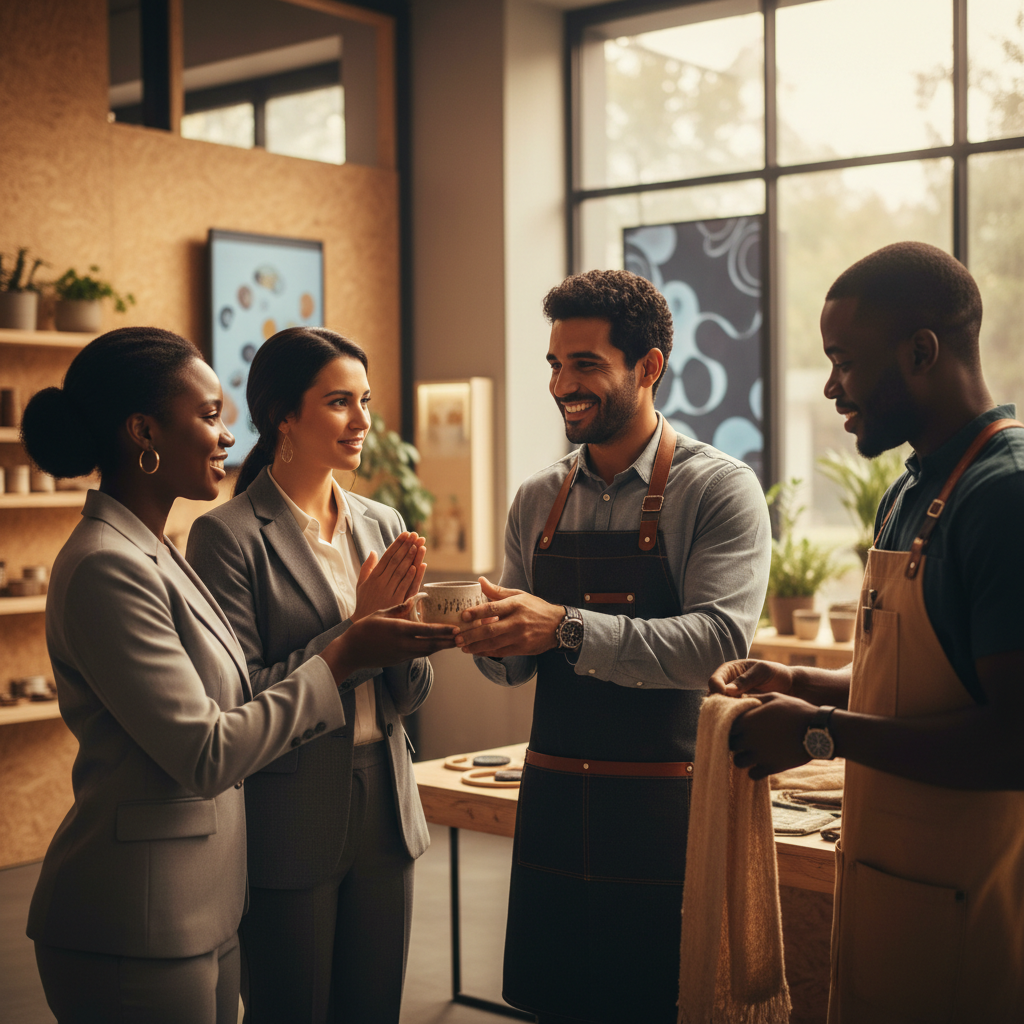

The Future of Retail: Empathy and Gratitude Integrated
Jun 16, 2026by Avodah Dynamics
Overview
Retail is shifting from profit-driven to people-driven models, emphasizing empathy and gratitude. Consumers now seek meaningful connections and experiences with brands, leading businesses to adopt a people-first mindset. Key strategies include active listening, personalization, and community engagement, while gratitude can enhance customer relationships through gestures like thank-you notes and loyalty programs. Technology plays a vital role in facilitating these changes. The future of retail will prioritize experiential shopping, sustainability, and emotional intelligence, fostering loyalty and community advocacy.
Table of Contents
Key Takeaways
- Consumer Expectations Shift: Modern consumers prioritize experiences and relationships with brands over mere transactions.
- Empathy as a Core Value: Retailers must adopt a consumer-first mentality to foster loyalty and community engagement.
- Gratitude Enhances Customer Experience: Simple gestures like thank-you notes and loyalty programs can significantly improve customer relationships.
- Technology's Role: Utilizing CRM systems and social media can help retailers better understand and engage with consumers.
- Community Engagement: Building relationships with local communities and supporting social causes can enhance brand loyalty.
- Overcoming Challenges: Retailers must address cultural resistance and misconceptions to successfully transition to empathy-driven models.
- Future of Retail: Brands that embrace experiential retail and sustainability will thrive in a consumer landscape focused on purpose and connection.
As we move forward in the fast-evolving world of retail, the traditional methods that once defined consumer interactions are undergoing a revolutionary transformation. The dynamics between consumers and retailers now demand a deeper focus on empathy and gratitude. With a growing influence of these values, businesses are witnessing a shift in consumer expectations and behaviors that demand attention.
The Shift from Profit-Driven to People-Driven Retail
The emergence of digital shopping platforms has disrupted traditional retail, making it clear that consumers seek more than just products; they want an experience. This experience is increasingly concentrated on connection, understanding, and respect. As a result, the concept of Avodah Dynamics, which often glorifies relentless work and the pursuit of profit, is beginning to take a backseat to the values of empathy and gratitude.
The modern consumer is not just driven by the need for good products but also craves a relationship with brands that resonate with their values. Organizations that incorporate a people-first mindset—acknowledging their consumers’ needs and showing appreciation—will inevitably lead the charge in this new marketplace.
Understanding Consumer Empathy in Retail
Empathy in retail is about recognizing the feelings, thoughts, and experiences of customers. It goes beyond understanding the demographic profile or buying habits of an individual; it’s about genuinely caring for them. By adopting a consumer-first mentality, businesses can foster relationships that translate into loyalty and community.
Empathy as a Business Strategy
By embedding empathy into organizational practices, retailers can leverage this understanding for effective communication, marketing strategies, and service enhancements. Here are some practical strategies to implement:
- Active Listening: Pay attention to what consumers say about their experiences. Feedback loops, surveys, and direct conversations can yield valuable insights.
- Personalization: Tailor offerings based on individual preferences. Use data responsibly to create personalized shopping experiences.
- Training Staff: Equip your team with the skills to engage and empathize with customers. This means fostering a company culture that prioritizes emotional intelligence.
- Community Engagement: Build relationships with the communities you serve. Understanding cultural nuances can help in creating relevant offerings.
The Role of Gratitude in Retail
Gratitude isn’t just a nicety; it’s a potent tool for enhancing customer experience. Expressing appreciation can make shoppers feel valued and create a sense of belonging. Here’s how gratitude can shape the retail landscape of tomorrow:
Building a Culture of Gratitude
Incorporating gratitude into your business ethos can elevate customer experiences and is a great tool for differentiation. Here are ways to instill gratitude into your retail operations:
- Thank You Notes: Simple gestures such as thank-you cards can leave a lasting impression on consumers. Personalize these notes to make them more meaningful.
- Loyalty Programs: Show appreciation for repeat customers with rewards and special offers. Make them feel valued for their continuous support.
- Community Contributions: Give back to local communities. Support charities, sponsor events, and contribute to social good initiatives.
By weaving gratitude into every facet of the customer experience, businesses can create lasting relationships that foster loyalty and advocacy.
The Intersection of Gratitude and Empathy
Empathy and gratitude don’t exist in silos; they complement each other and create a more profound impact on customer engagement. When businesses demonstrate empathy, they can identify specific ways to express gratitude that resonates with consumers’ experiences.
Practical Applications of Combining Empathy and Gratitude
Here are actionable strategies that bring empathy and gratitude together:
- Post-Purchase Follow-Up: Reach out to customers after their purchase to inquire about their experience. Integrate a thank-you message and a small offer for their next visit.
- Community Forums: Facilitate spaces for customers to share their stories and experiences with your brand. Recognize and celebrate these narratives publicly.
- Feedback Implementation: Demonstrate that customer feedback matters by acting on it. Thank customers for their input and share how their feedback has influenced change.
Navigating Challenges in the Shift
Transitioning to a business model centered on empathy and gratitude isn’t without its challenges. Retailers face various obstacles, including cultural resistance within the organization or misconceptions about the value of these soft skills in a profit-driven world.
However, meeting these challenges head-on can result in significant rewards. By working on developing a coaching framework, such as what a Christian business coach can provide, organizations can navigate through these transformations successfully. Coaches can equip leaders with strategies to implement empathetic practices while fostering a culture of gratitude.
Embracing Technological Innovations
Technology is a powerful ally in the integration of empathy and gratitude in retail. From AI customer service to personalized shopping experiences, technology can help businesses scale their efforts effectively. Here’s how:
Enhancing Customer Engagement
Using Customer Relationship Management (CRM) systems can empower retailers to track interactions and understand customer behaviors better. This data can inform how businesses express gratitude and empathy at every touchpoint.
Utilizing Social Media
Social media platforms are not just for advertising; they're vital channels for engaging consumers. Brands can utilize social media to express gratitude through recognition posts and thank customers who share their experiences. Building a community on social media where people feel valued can significantly enhance brand loyalty.
Future Predictions for Retail
The retail landscape is on the brink of a fundamental shift, where the brands that will thrive are those that embrace empathy and gratitude wholeheartedly. Here are some predictions:
- Experiential Retail: Physical stores will evolve into community hubs where interactions are emphasized, and experiences take precedence over transactions.
- Sustainability Focus: Brands that show genuine care for social and environmental causes will garner more loyalty, as consumers increasingly support purpose-driven organizations.
- AI Emotion Recognition: Advanced technologies will help brands gauge emotional responses, allowing for personalized experiences that align with customer emotions.
Elevating Customer Experiences Through Empowerment
The future of retail lies in recognizing that customers are more than just consumers; they are entire beings with needs, desires, and feelings. As brands adopt empathy and gratitude into their strategies, they not only foster loyalty but create a community of advocates who amplify their messages.
Businesses that invest in the development of emotional intelligence—whether through guidance from a Christian business coach or workshops—will better understand how to meet their customers’ needs authentically. Empower your team to express their gratitude and empathy, and watch as your retail enterprise thrives in the goodwill of your community.
By embodying these principles and taking actionable steps, your retail brand can set itself apart in this competitive marketplace. Carry this momentum forward into the future of retail, a time where gratitude and empathy pave the way for unparalleled consumer connections.
Frequently Asked Questions
1. What is the main focus of the blog?
The blog focuses on the transformation of consumer interactions in retail, emphasizing the importance of empathy and gratitude in shaping consumer expectations and behaviors.
2. How has digital shopping influenced consumer expectations?
Digital shopping has shifted consumer expectations towards wanting experiences and connections with brands, rather than just products.
3. What are some strategies for embedding empathy into retail practices?
Strategies include active listening, personalization, training staff in emotional intelligence, and engaging with local communities.
4. Why is gratitude important in retail?
Gratitude enhances customer experiences, makes shoppers feel valued, and fosters loyalty through appreciation and meaningful gestures.
5. What future predictions does the blog make for retail?
The blog predicts that experiential retail will become more prominent, sustainability will be a key focus, and AI technology will aid in understanding emotional responses for personalized experiences.
Glossary
| Term | Meaning |
|---|---|
| Empathy | Understanding and sharing the feelings of customers. |
| Gratitude | Expressing appreciation to customers to enhance their experience. |
| People-Driven Retail | A focus on customer relationships over profit maximization. |
| Active Listening | Engaging with customers to gather insights about their experiences. |
| Personalization | Customizing offerings based on individual customer preferences. |
| Loyalty Programs | Rewards systems designed to appreciate repeat customers. |
| Community Engagement | Building relationships with local communities to enhance relevance. |
| Feedback Implementation | Acting on customer feedback to show appreciation for their input. |
| Experiential Retail | Shifting focus from transactions to customer experiences in stores. |
| CRM Systems | Tools that help track customer interactions and behaviors. |
Linked Product

Avodah Dynamics Workbook By k a Perkins
The Avodah Dynamics Workbook by K A Perkins is an 81-page paperback designed to help individuals thrive in competitive environments. It offers practical advice and thought-provoking exercises aimed at enhancing productivity and fostering personal growth. With its convenient size of 11.0 x 8.5 inches, the workbook is suitable for both at-home study and on-the-go reflection.