OR

How Neural Pathways Reveal the Healing Power of God’s Character
Oct 26, 2025by K. A. Perkins
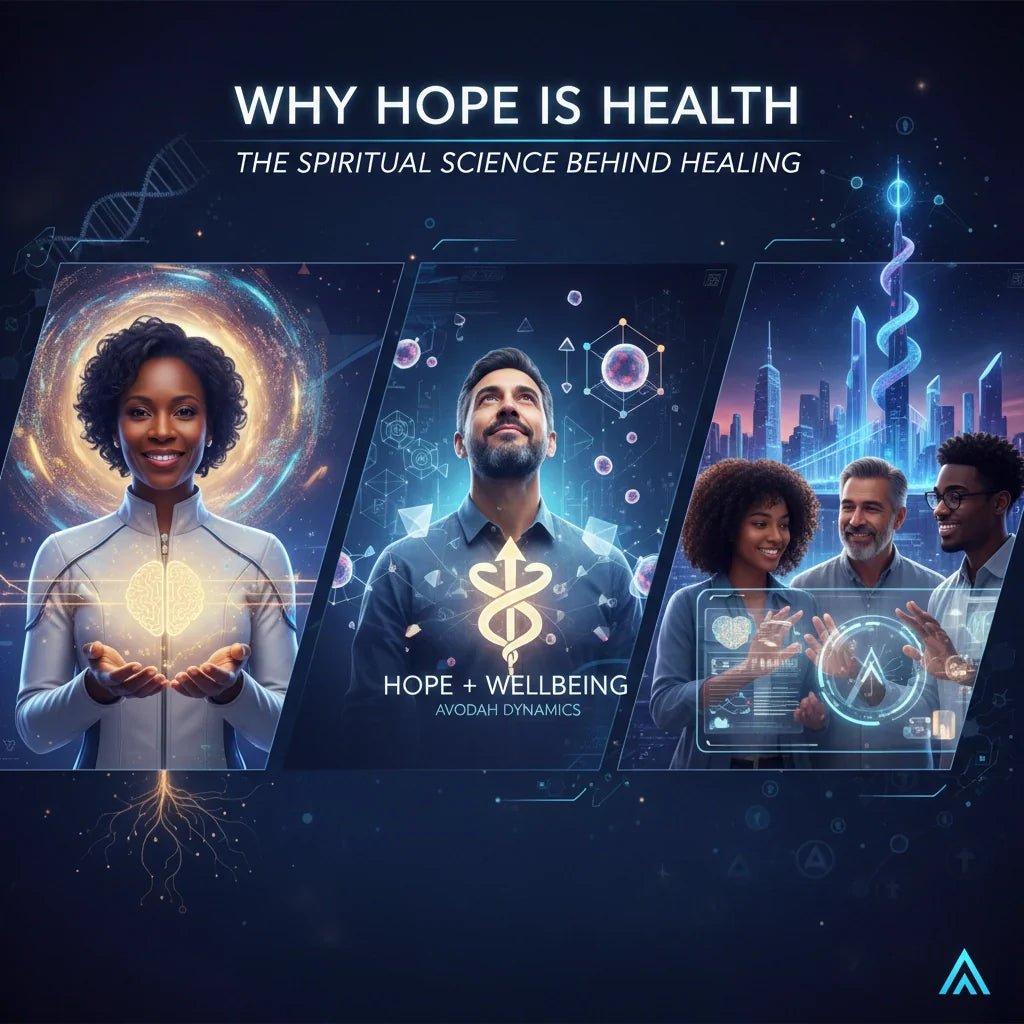
What if I told you that the very thing Scripture calls "an anchor for the soul" (Hebrews 6:19) is also what modern science recognizes as one of the most powerful healing forces available to humanity? For decades, researchers have been uncovering what believers have known all along: hope isn't just a feeling: it's medicine.
In Hebrew, the word for hope is Tikvah: and it carries a weight far deeper than wishful thinking. It represents confident expectation, rooted expectation, the kind of hope that doesn't just wish for better days but actively creates them. Modern medical research is now confirming what Scripture revealed thousands of years ago: hope heals the mind, restores the body, and revives the soul.
The Science Behind Sacred Hope
Recent studies have revealed that hope operates like a physiological force in the human body. When we maintain hopeful outlooks rooted in spiritual beliefs, we activate measurable changes in our biology. Research shows that spiritual practices such as prayer, meditation, and faith-based reflection produce alterations in gene expression within immune system pathways, directly impacting our body's ability to heal and fight disease.

More than 3,000 scientific studies indicate that religion and spirituality have potentially beneficial effects on health. People who engage in regular spiritual practices exhibit lower blood pressure, reduced risk of heart disease, and improved immune function. But here's what's remarkable: these aren't just correlations: they represent actual physiological changes triggered by hope-filled, faith-centered living.
The parasympathetic nervous system, which governs our body's rest and repair functions, is directly activated through spiritual practices. When we pray, meditate, or engage in worship, we're literally switching our bodies into healing mode. Cortisol levels drop, inflammation decreases, and cellular repair mechanisms accelerate.
Tikvah: More Than Positive Thinking
Biblical hope: Tikvah: operates differently than mere optimism or positive thinking. While positive thinking says "maybe things will get better," Tikvah declares "God is already working all things together for good" (Romans 8:28). This isn't denial of present circumstances; it's confident expectation based on God's character and promises.
Research distinguishes between false hope and authentic hope. False hope ignores reality and avoids necessary action. But authentic hope: the kind Scripture describes: combines three powerful elements:
- Goals (clear vision of God's promises)
- Agency (belief in our ability to pursue those goals through God's strength)
- Pathways (practical steps aligned with biblical wisdom)
When these three elements unite, hope becomes a living force that transforms not just our thinking, but our entire physiology.
The Mind-Body-Soul Connection
Modern medicine is finally catching up to what Scripture has always taught: humans are integrated beings where mind, body, and soul are interconnected. What affects one dimension impacts all others.
The Mind: Hope rewires neural pathways, creating new patterns of thinking that support healing. Brain scans show that people with strong hope and faith exhibit increased activity in areas associated with problem-solving, emotional regulation, and stress management. The mind literally changes its structure when hope takes root.
The Body: Hope triggers the release of endorphins, dopamine, and serotonin: the body's natural "feel-good" chemicals. But it goes deeper. Heart transplant patients who maintained strong spiritual beliefs showed better treatment compliance, improved physical functioning, higher self-esteem, and reduced anxiety. Their bodies responded to hope.
The Soul: Perhaps most importantly, hope addresses what researchers are beginning to call "spiritual wounds": the deeper injuries to our sense of meaning, purpose, and connection. These wounds often lie at the core of physical and emotional ailments, and only spiritual healing can fully address them.

The Placebo Effect: Faith in Action
The therapeutic relationship in healthcare mirrors the spiritual relationship we have with God. Three components maximize healing potential:
- Positive expectations from the patient
- Positive expectations from the care provider
- A strong, trusting relationship between both parties
This framework explains why spiritual support enhances medical outcomes. Patients receiving spiritual support report higher quality of life, better pain management, and improved treatment outcomes.
Hope as Emotional Medicine
Beyond physical healing, hope serves as powerful emotional medicine. Spiritual practices offer proven tools for emotional regulation: managing anxiety, processing trauma, and cultivating inner peace. When we root our hope in God's character rather than circumstances, we develop resilience that transcends temporary setbacks.
Studies consistently show that spirituality correlates with:
- Higher life satisfaction
- Better mental and physical health
- Greater overall well-being
- Increased ability to cope with stress and trauma
- Stronger emotional resilience
People who maintain spiritual hope worry less and live more fully in the present moment. This reduction in anxiety creates a virtuous cycle: spiritual practice reduces stress, which supports physical healing, which reinforces hope and faith.

The Community Factor
One often-overlooked aspect of hope's healing power is community. Spiritual hope is rarely solitary: it's nurtured and sustained through connection with others who share similar beliefs and values. Research shows that people who regularly participate in faith communities experience:
- Reduced isolation and loneliness
- Enhanced social support during difficult times
- Shared values that guide healthy behaviors
- Collective encouragement that reinforces individual hope
This community dimension of hope creates what researchers call "collective efficacy": the belief that together, we can overcome challenges and create positive change. It's the difference between hoping alone and hoping together.
Activating Your Tikvah
So how do we activate this divine technology of hope in our daily lives? Here are practical ways to engage Tikvah as God's medicine:
Morning Declaration: Begin each day by declaring God's promises over your situation. Not as positive thinking, but as confident expectation based on His character.
Meditation on Scripture: Regularly meditate on hope-filled passages like Jeremiah 29:11, Romans 8:28, and Psalm 23. Let these truths restructure your neural pathways.
Gratitude Practice: Daily gratitude activates the same neural networks as hope. Thank God for what He's already done as you anticipate what He will do.
Community Connection: Engage regularly with faith-centered community. Hope is contagious and multiplies when shared.
Service to Others: Nothing reinforces hope like watching God use you to bring hope to someone else.
The Tikvah Journey
Your healing journey doesn't have to wait for circumstances to change. It begins the moment you choose to anchor your expectations in God's unwavering character and promises. Because when hope becomes your medicine, transformation becomes your testimony.
Hope is a gift. Get your free copy of Tikvah: The Science of Hope—nothing to sell, just love to share: https://avodahdynamics.com/products/tikvah-the-science-of-hope
FAQ
Q: What makes a Christian lifestyle brand different from other wellness brands? A: A Christian lifestyle brand like Avodah Dynamics integrates biblical principles with practical tools, recognizing that true wellness addresses spirit, mind, and body. We don't just offer techniques: we offer transformation rooted in God's design for human flourishing.
Q: How does Christian coaching differ from secular life coaching? A: Christian coaching incorporates prayer, biblical wisdom, and spiritual discernment alongside proven coaching methodologies. We believe lasting change happens when we align our goals with God's purposes and receive His strength for the journey.
Q: Does Christian apparel really make a difference in daily life? A: Christian apparel serves as both personal reminder and public declaration of faith. When we wear clothing that reflects our values, it reinforces our identity and creates opportunities for conversation about hope and faith.
Q: How can Christian music support the healing process? A: Christian music engages both emotional and spiritual dimensions of healing. Worship music specifically activates the same neural pathways as meditation and prayer, promoting peace, hope, and physical relaxation while connecting us to God's presence.
Q: What role does faith play in personal development? A: Faith provides the foundation for authentic personal development by connecting our growth to God's purposes. Rather than just improving ourselves, we're being transformed into who God created us to be( which creates lasting change that benefits others.)

K.A. Perkins is a purpose-driven author, educator, and founder of Avodah Dynamics, a faith-fueled movement empowering people to align ambition with purpose. Blending leadership, creativity, and spirituality, he equips the next generation to live with discipline, integrity, and impact.
avodahdynamics.com
avodahdynamics.com