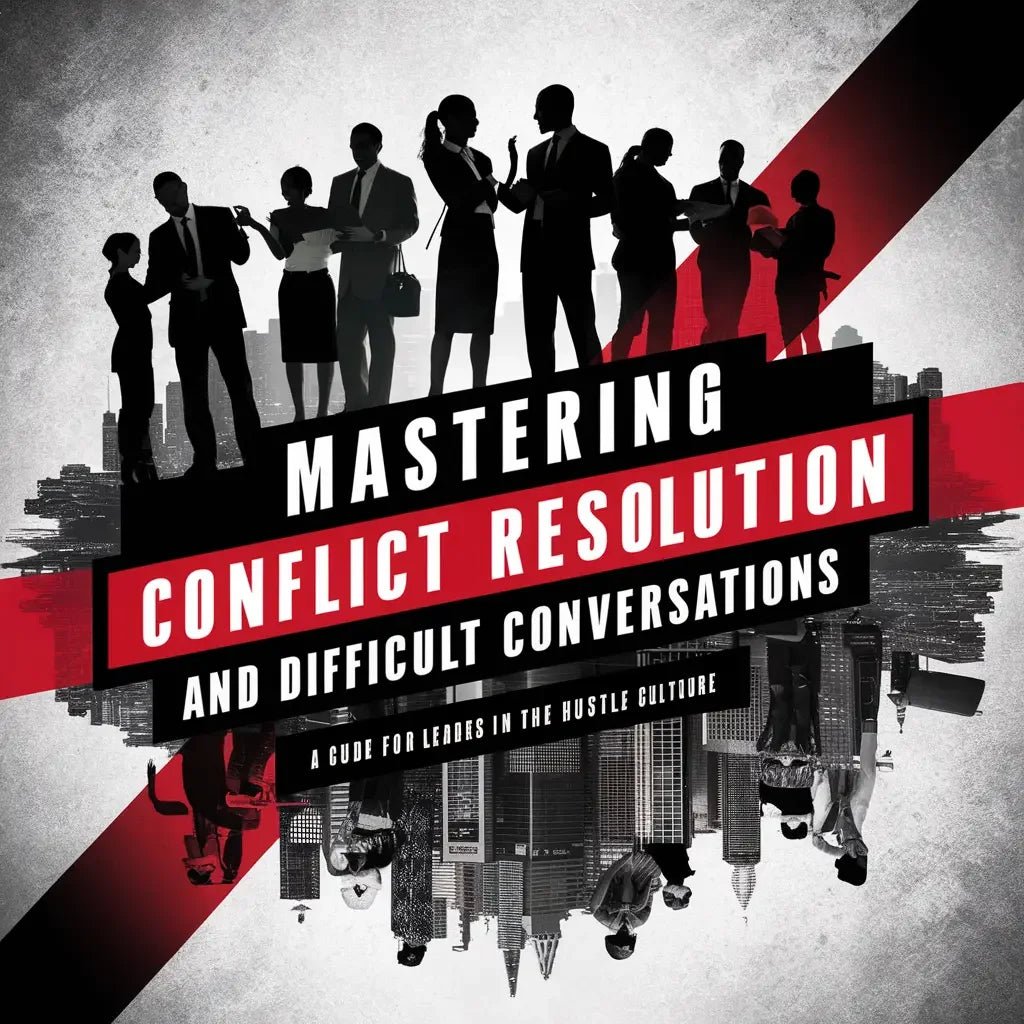

Mastering Conflict: Unlock Success in Avodah Dynamics Leadership
May 07, 2024by S.N. Perkins

In the dynamic environment of business and leadership, encountering conflict is unavoidable. As a leader in Avodah Dynamics, you frequently confront challenging scenarios that demand proficient conflict resolution abilities. The way you handle these conflicts and steer through tough conversations is critical to your team's success. This guide will present strategies for managing conflicts gracefully and preserving effective communication, even under the most strenuous circumstances.
The Importance of Addressing Conflict
Conflict in the workplace is often seen as a negative aspect of leadership. However, when managed effectively, conflict can lead to positive change and growth within a team. As a leader, it is essential to address conflicts head-on rather than ignoring or avoiding them. By addressing conflicts promptly, you can prevent issues from escalating and cultivate a culture of open communication and trust.
Understanding Your Leadership Style
One key aspect of effectively managing conflict is understanding your own leadership style. Different leaders approach conflict resolution in various ways, and being aware of your tendencies can help you tailor your approach to different situations. Whether you lean towards a more authoritative style or prefer a collaborative approach, knowing your default responses can guide your conflict resolution strategies.
The Role of Servant Leadership
Servant leadership is a powerful philosophy that emphasizes empathy, collaboration, and putting the needs of others first. When facing conflict, adopting a servant leadership mindset can help you approach difficult conversations with compassion and understanding. By prioritizing the well-being of your team members and seeking mutually beneficial solutions, you can resolve conflicts in a way that strengthens relationships and fosters unity.
Key Leadership Skills for Conflict Resolution
Active Listening
One of the most critical leadership skills for resolving conflicts is active listening. When engaging in difficult conversations, take the time to listen attentively to the other party's perspective without interrupting or formulating your response prematurely. Listening actively demonstrates respect and can help uncover underlying issues that need to be addressed.
Emotional Intelligence
Emotional intelligence plays a crucial role in conflict resolution. As a leader, being aware of your emotions and those of others can help you navigate challenging conversations with empathy and composure. By regulating your emotions and understanding the emotions of others, you can build rapport and create a supportive environment for resolving conflicts.
Effective Communication
Clear and effective communication is key to resolving conflicts and fostering positive relationships within your team. When addressing conflict, be transparent about your concerns, listen actively to feedback, and ensure that your message is conveyed clearly. By communicating openly and honestly, you can build trust and encourage constructive dialogue.
Strategies for Transformational Leadership in Conflict Resolution
Transformational leadership involves inspiring and motivating your team to achieve their full potential. When faced with conflict, employing transformational leadership strategies can help you turn challenging situations into opportunities for growth and development. By fostering a shared vision, encouraging innovation, and empowering your team members, you can transform conflicts into catalysts for positive change.
Creating a Culture of Constructive Conflict
As a leader in the Avodah Dynamics, you have the power to shape the culture of your team and organization. Instead of viewing conflict as a barrier to success, strive to create a culture where constructive conflict is encouraged and embraced. By normalizing open communication, soliciting diverse perspectives, and promoting a growth mindset, you can foster a culture where conflicts are seen as opportunities for learning and improvement.
Setting Clear Expectations and Boundaries
Preventing conflicts before they arise starts with setting clear expectations and boundaries within your team. Clearly communicate your team's goals, values, and guidelines for behavior to minimize misunderstandings and prevent conflicts from escalating. By establishing a foundation of shared expectations, you can create a cohesive and harmonious work environment where conflicts are managed proactively.
Embracing Diversity and Inclusion
Diversity and inclusion are essential components of effective leadership and conflict resolution. Embracing diversity means recognizing and valuing the unique perspectives and backgrounds of your team members. By fostering an inclusive environment where all voices are heard and respected, you can leverage the power of diverse perspectives to navigate conflicts creatively and collaboratively.
Building Resilience Through Conflict
Conflict can be a source of stress and tension, but it can also be an opportunity for growth and resilience. As a leader in the Avodah Dynamics, embracing conflicts as learning experiences can help you and your team adapt and grow stronger together. By approaching conflicts with a growth mindset, you can turn challenges into opportunities for building resilience and fostering a culture of continuous improvement.
The Path to Effective Conflict Resolution
In conclusion, mastering conflict resolution and difficult conversations as a leader requires a combination of self-awareness, empathy, and effective communication. By understanding your leadership style, embracing servant leadership principles, and honing your leadership skills, you can navigate conflicts with confidence and lead your team to success. Embrace conflicts as opportunities for growth, and watch as your team transforms challenges into triumphs in the Avodah Dynamics.
Tagged with:Leadership & Purpose-Driven Success
avodahdynamics.com
avodahdynamics.com